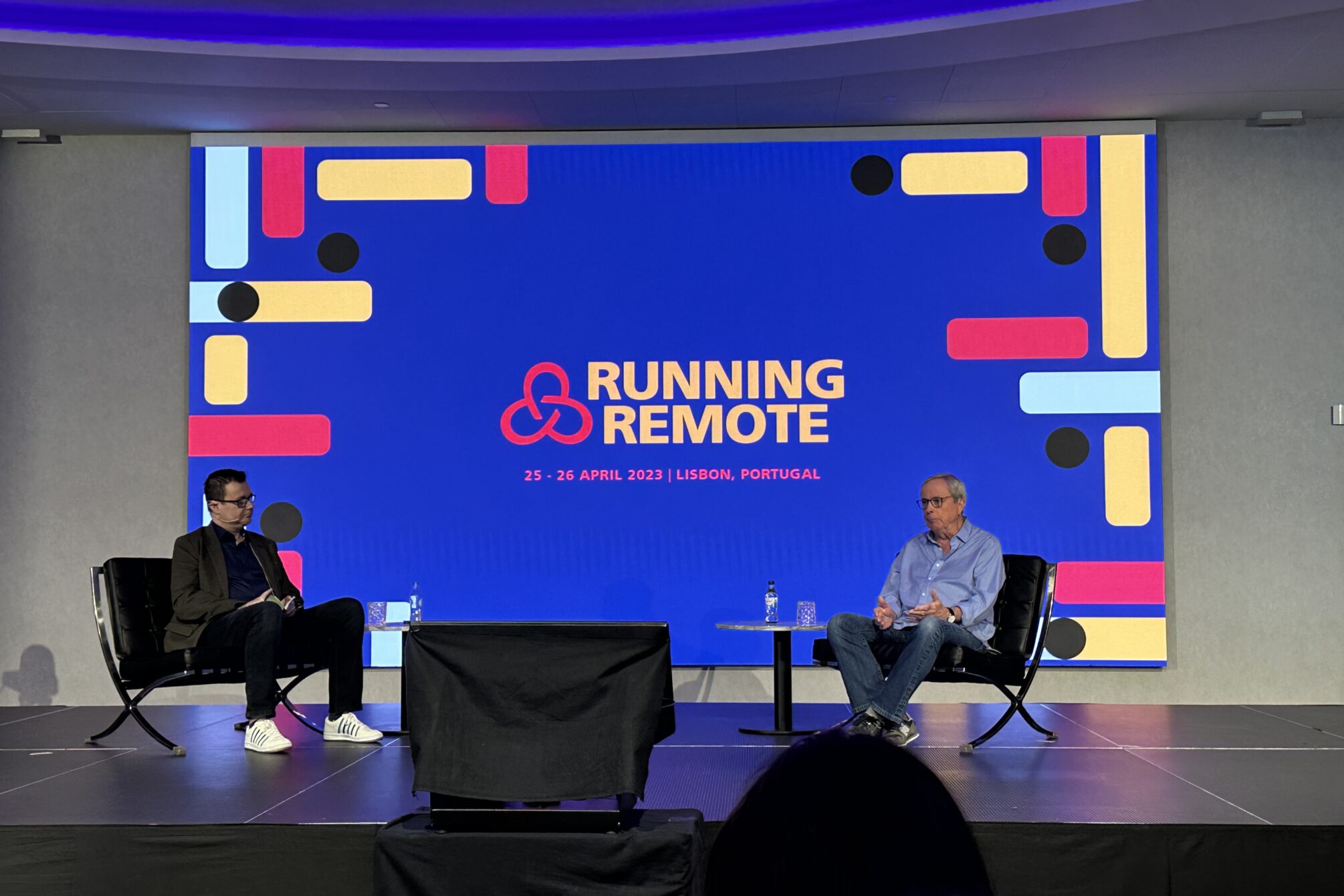


A few weeks ago, I created a productivity workshop for my colleagues at the company I work for. As Managing Director of a distributed team across Hong Kong, Shanghai, and Ho Chi Minh City, I’ve seen firsthand how easy it is to lose control of your time when everyone needs something from you.
The feedback on the workshop was so positive that I decided to turn my workshop notes and preparation into a series of blog posts. My goal? To share these insights with more people who are struggling with the same challenges.
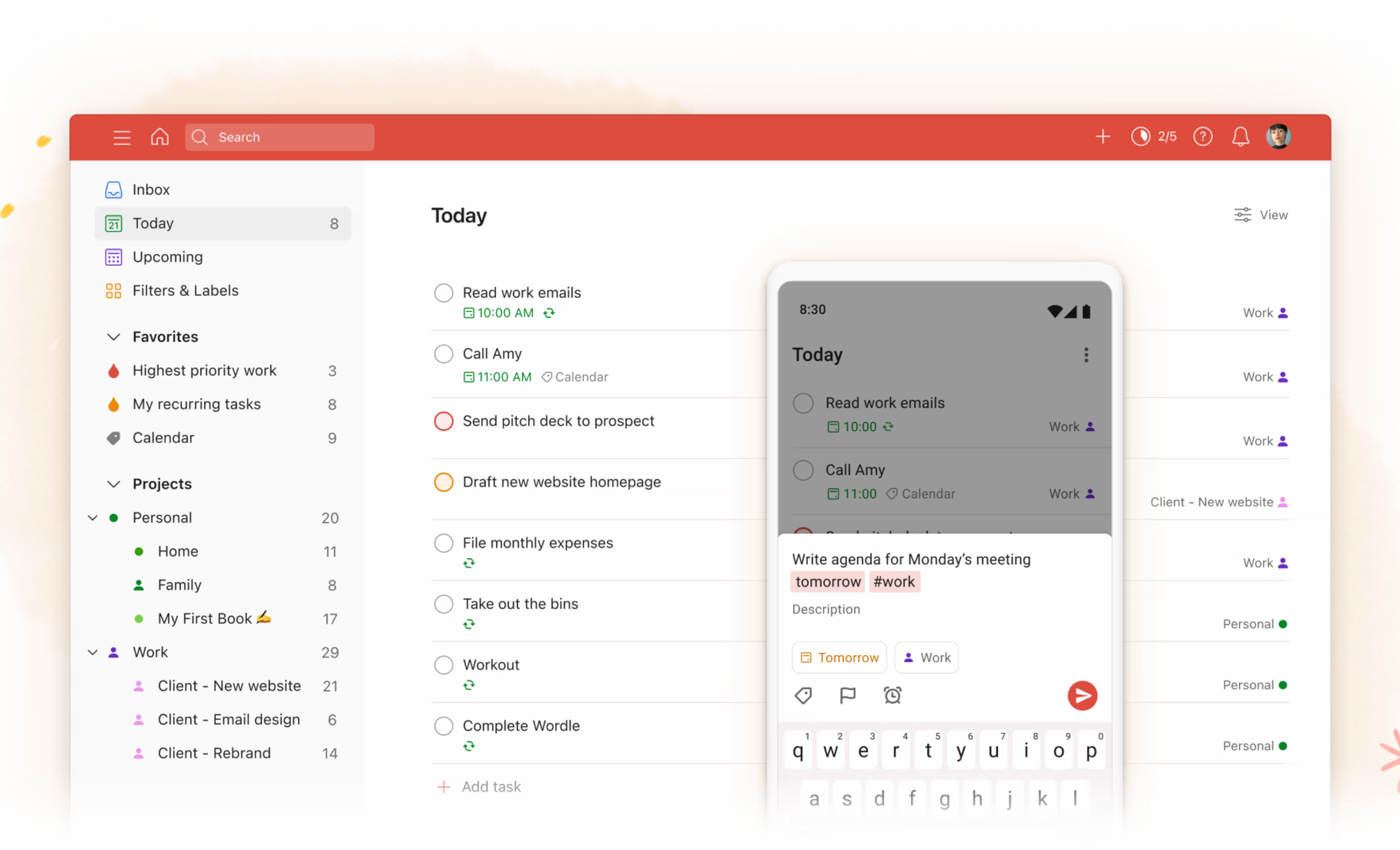
These aren’t just theories – they’re systems I’ve refined since early 2000. Back then, I started with a Palm Pilot and Outlook, then tested everything from Remember the Milk to Toodledo before discovering Todoist. Since 2010, I’ve completed over 80,000 tasks in Todoist while continuously optimizing my workflow. I’ve written extensively about these systems earlier on my website, and today I’m starting with what I believe is the most fundamental problem we all face.
“Your Inbox is a todo list written by everyone but you.” – Quote often attributed to Chris Sacca, early-stage investor in companies like Twitter, Uber, and Instagram
This quote perfectly captures the problem. Every email, every Teams message, every WhatsApp ping – they’re all tasks that other people are adding to your day. And if you’re not careful, your entire workday becomes a reactive scramble to respond to everyone else’s priorities instead of making progress on your own.
The Inbox Isn’t Just Email Anymore
For a long time, we had one inbox – email. Many people used it as their tasklist, and while that wasn’t perfect, at least it was manageable. You could check your email a few times a day, respond to what needed a response, and get back to work.
Today? The situation is completely different.
Now we have email, Microsoft Teams, WhatsApp, phone calls, text messages, and whatever other communication tools your organization has decided to adopt. Each one is its own inbox. Each one has its own notifications. Each one has people expecting responses.
And here’s what happens: You start your day with a plan. You know what you need to accomplish. But then the messages start coming in. An email about a supplier issue. A Teams ping about a budget question. A WhatsApp from a colleague who needs your input on something “urgent.” Before you know it, it’s lunchtime and you haven’t made any progress on the work that actually matters.
The symptoms are everywhere:
- Important follow-ups that slip through the cracks because they came through the “wrong” channel
- Late replies to critical messages because you’re too busy jumping between apps
- The constant stress of wondering what you might be missing
- That sinking feeling at the end of the day when you realize you’ve been busy all day but accomplished nothing meaningful
And here’s the worst part: all this context switching creates even more work. When you lose track of a conversation across multiple channels, you end up duplicating effort, having the same discussion twice, or making decisions without all the information.
Context switching and attention residue sabotage your workday
Let me share something that might surprise you: When I ran my workshop, I asked participants to guess how many emails and chat messages the average knowledge worker receives per day. Most people guessed somewhere between 50-100 messages total.
The reality? According to Microsoft’s 2025 Work Trend Index Special Report, which analyzed trillions of Microsoft 365 productivity signals from 31,000 knowledge workers across 31 markets, the average employee receives 117 emails and 153 Teams messages per day.
That’s 270 messages demanding your attention. The same research found that knowledge workers face interruptions as often as every 3-4 minutes throughout their workday. And remember, these are just the averages – many people receive far more.
But the volume isn’t even the biggest problem. The real killer is something called attention residue.
When you switch from one task to another – even for just a moment to check a message – your brain doesn’t instantly switch with you. Part of your attention stays stuck on the previous task. This “residue” degrades your performance on whatever you’re trying to do next. The more you switch, the thicker the residue, the worse you perform.
Research by Gloria Mark at UC Irvine found that information workers spend only a few minutes on a task before switching to something else. More striking: her research has shown that it can take a significant amount of time – up to 23 minutes – to fully refocus after an interruption.
Think about that. If you’re getting interrupted every few minutes, you’re never actually reaching a state of focus. You’re spending your entire day in a state of partial attention, trying to recover from the last interruption before the next one hits.
The research is clear:
- Most workers can’t go 6 minutes without checking email or instant messages. An interesting blogpost you can find in the blog of doist.com
- Even seeing a notification – without responding – diverts enough attention that we struggle to focus on the task at hand
- Just having your phone in the same room, even if you’re not looking at it, wears down your cognitive resources
This is why you feel exhausted at the end of the day even when you “didn’t really do anything.” You’ve been context switching all day. Your brain has been working overtime trying to refocus again and again and again.

How to Protect Your Time: 5 Practical Strategies
The good news? Once you understand the problem, the path forward becomes clear. Here are practical strategies you can implement immediately. In upcoming posts, I’ll explore each of these methods in greater depth.
1. Time-block for deep work
Protect two 90-minute blocks in your calendar most days for focused work. Treat these blocks as sacred – no meetings, no messages, no interruptions.
2. Batch similar tasks together
Instead of checking messages whenever they arrive, schedule specific times to process them. I recommend 3-4 message check windows per day. Handle all your emails and Teams messages in one batch.
3. Turn off notifications
Yes, all of them. The constant pings are destroying your ability to focus. You don’t need to know about every message the second it arrives.
4. Set communication boundaries
Make it clear to your team when you’re in focus mode. Use your status in Teams. Let people know that unless something is truly urgent, it can wait until your next message-check window.
5. Protect a morning “frog” block
Use the first 60-90 minutes of your day for your most impactful, most avoided task. No meetings, no messages. Just you and your most important work.

Take Action: Your Next Steps
These are the foundations – the fundamental shifts you need to make to take back control of your workday. In the coming weeks, I’ll dive deeper into specific methods and tools that make this easier:
- The Big 3 method for daily prioritization
- How to use time-blocking effectively
- The Weekly Review that keeps everything on track
- Task batching strategies that actually work
- Building a personal productivity system that fits your life
Start small today. Turn off your notifications for just one morning. See what you can accomplish when you’re not being interrupted every two minutes.
You might be surprised.